
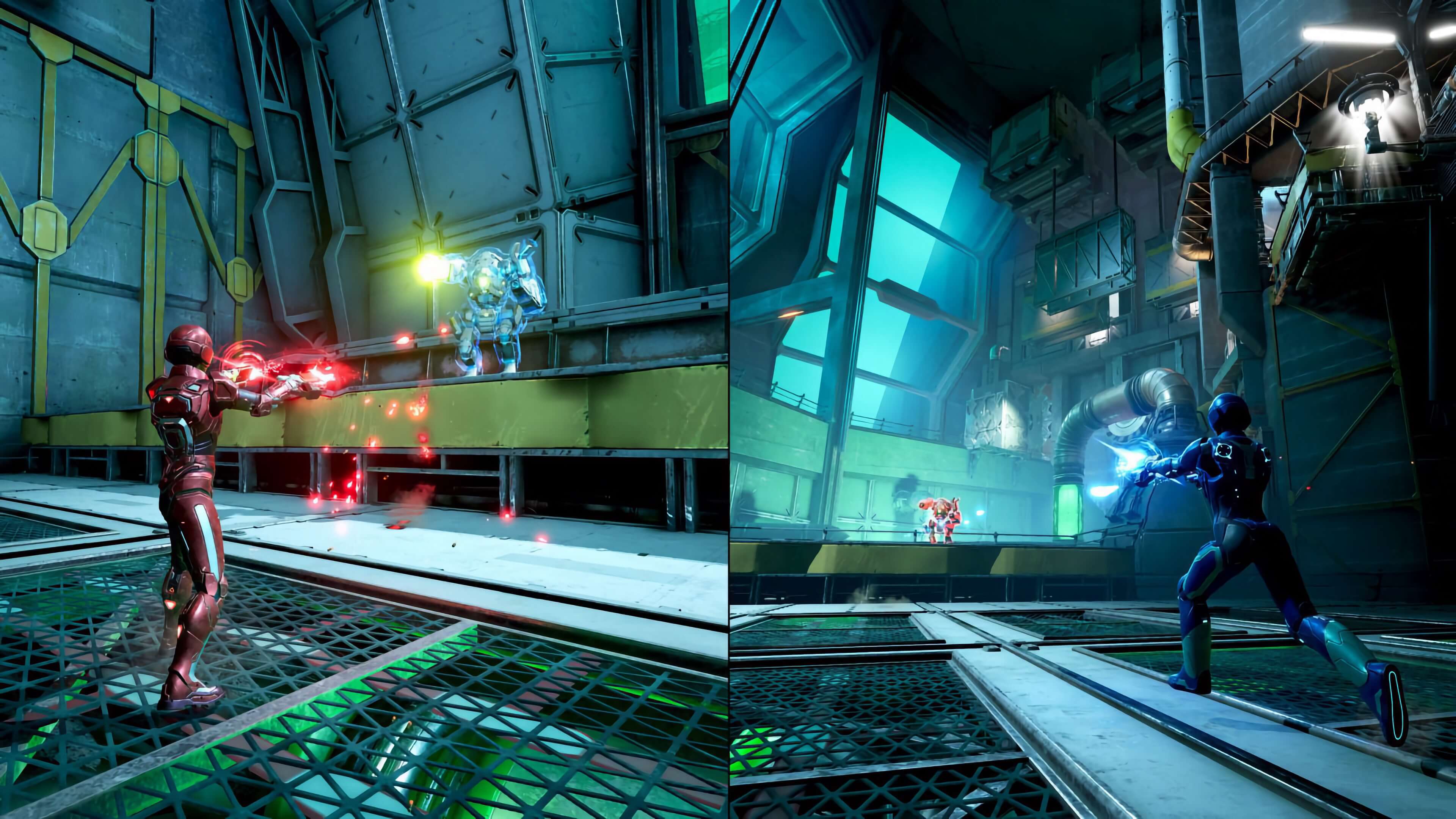
In the realm of digital gaming, split-screen mechanics offer a unique challenge to players’ cognitive processing, requiring them to manage attention across multiple visual and interactive streams simultaneously. The allocation of attention becomes a central factor in determining performance, satisfaction, and engagement. Players must continually decide where to focus at any given moment, which not only affects their immediate actions but also their broader strategic planning. When games implement split screens effectively, they create environments that reward adaptive attention management, enhancing both skill development and the depth of player engagement.
Split-screen play fundamentally alters the perceptual and cognitive demands placed on players. Unlike single-screen experiences, where focus can be concentrated on a singular point of action, split-screen formats demand distributed attention. This introduces a cognitive load that requires players to weigh the relative importance of events unfolding in different sections of the screen. Players often develop heuristics or mental shortcuts, prioritizing certain areas over others based on perceived risk, potential reward, or the likelihood of critical events occurring. The ability to allocate attention efficiently becomes a differentiator between novice and expert players, reflecting not just reaction speed but also predictive judgment.
Designers of split-screen games must carefully consider how visual hierarchy, contrast, and motion guide attention. Bright colors, dynamic animations, and visual cues can draw the player’s eye toward high-priority areas, implicitly shaping attention allocation. For instance, a flashing icon or a sudden movement in one portion of the screen may signal urgency, prompting the player to shift focus. However, overuse of such cues can lead to attentional fragmentation, where players feel overwhelmed and struggle to maintain coherent strategies. Balancing attention-directing elements without overwhelming the player is a subtle but crucial aspect of interface and experience design in split-screen contexts.
The temporal dimension of attention is equally important. Split-screen play often involves asynchronous events, where different segments of the screen evolve at varying paces. A player may be fully engaged with one segment, only to miss a critical development in another. This temporal misalignment introduces the concept of attentional switching costs—the cognitive expense incurred when moving focus from one area to another. Skilled players learn to minimize these costs, developing rhythm and timing strategies that optimize attention distribution. Designers can facilitate smoother transitions by aligning key events or providing subtle cues that signal when a shift of focus is required.
Another layer of complexity arises from the interaction between split-screen mechanics and multitasking behavior. Players are not merely observing multiple streams but are often required to perform actions in parallel. This combination of perceptual monitoring and motor execution amplifies cognitive demands, testing both working memory and task coordination. Studies in human-computer interaction suggest that sustained performance in such environments is linked to the development of attentional schemas—mental frameworks that allow players to anticipate where and when their focus is needed. Games that successfully support the formation of these schemas tend to produce more satisfying and immersive experiences, as players feel a sense of mastery over a complex environment.
Feedback mechanisms also play a significant role in guiding attention allocation. In split-screen contexts, immediate and informative feedback reinforces the player’s ability to judge which areas of the screen require attention. For example, visual indicators such as progress bars, color changes, or subtle vibrations can inform players about the consequences of their focus decisions. Well-designed feedback not only enhances performance but also reduces cognitive strain by clarifying priorities, allowing players to make more confident and deliberate attention shifts. Conversely, ambiguous or delayed feedback can lead to suboptimal allocation, frustration, and disengagement.
The social dimension of split-screen play adds yet another layer to attention dynamics. In competitive or cooperative multiplayer scenarios, players must not only monitor multiple streams of information but also anticipate and react to the behaviors of other players. This introduces the need for shared attention management, where coordination and prediction become critical. Effective communication, either through on-screen cues or verbal coordination, can mitigate the challenges of distributed attention, enabling teams to operate cohesively despite the divided visual field. The social aspect emphasizes the adaptability of attentional strategies, highlighting that successful players are often those who can flexibly adjust focus based on both environmental and social cues.
Cognitive fatigue is a notable concern in split-screen environments. Continuous attentional shifts, high visual load, and the necessity of parallel action can quickly deplete mental resources, impacting performance and enjoyment. Game designers often incorporate pacing elements, such as moments of lower intensity, visual simplification, or structured intervals of high and low activity, to mitigate fatigue. By consciously managing cognitive load, games can sustain engagement and prevent attentional overload, allowing players to remain invested over longer play sessions.
In addition to real-time strategies, split-screen play influences long-term skill acquisition. Players develop meta-cognitive awareness, learning to evaluate their attentional habits, recognize patterns in the environment, and adjust strategies accordingly. This reflective process fosters deeper understanding of game mechanics and enhances the player’s ability to generalize skills across different levels or even different games. The split-screen format, therefore, serves as both a training ground and a testing environment for complex attention management, shaping not just moment-to-moment performance but also broader cognitive development.
Ultimately, attention allocation in split-screen play is a multidimensional construct that intersects perception, cognition, motor control, feedback processing, social interaction, and fatigue management. The design of these experiences requires careful calibration of visual cues, event timing, and feedback to support adaptive attentional strategies. Players, in turn, engage in continuous assessment and prioritization, developing skills that extend beyond the immediate task. By understanding and optimizing these dynamics, designers can create immersive, challenging, and satisfying split-screen experiences that reward both skill and strategic thinking, demonstrating the intricate interplay between attention and game design.





Leave a Reply