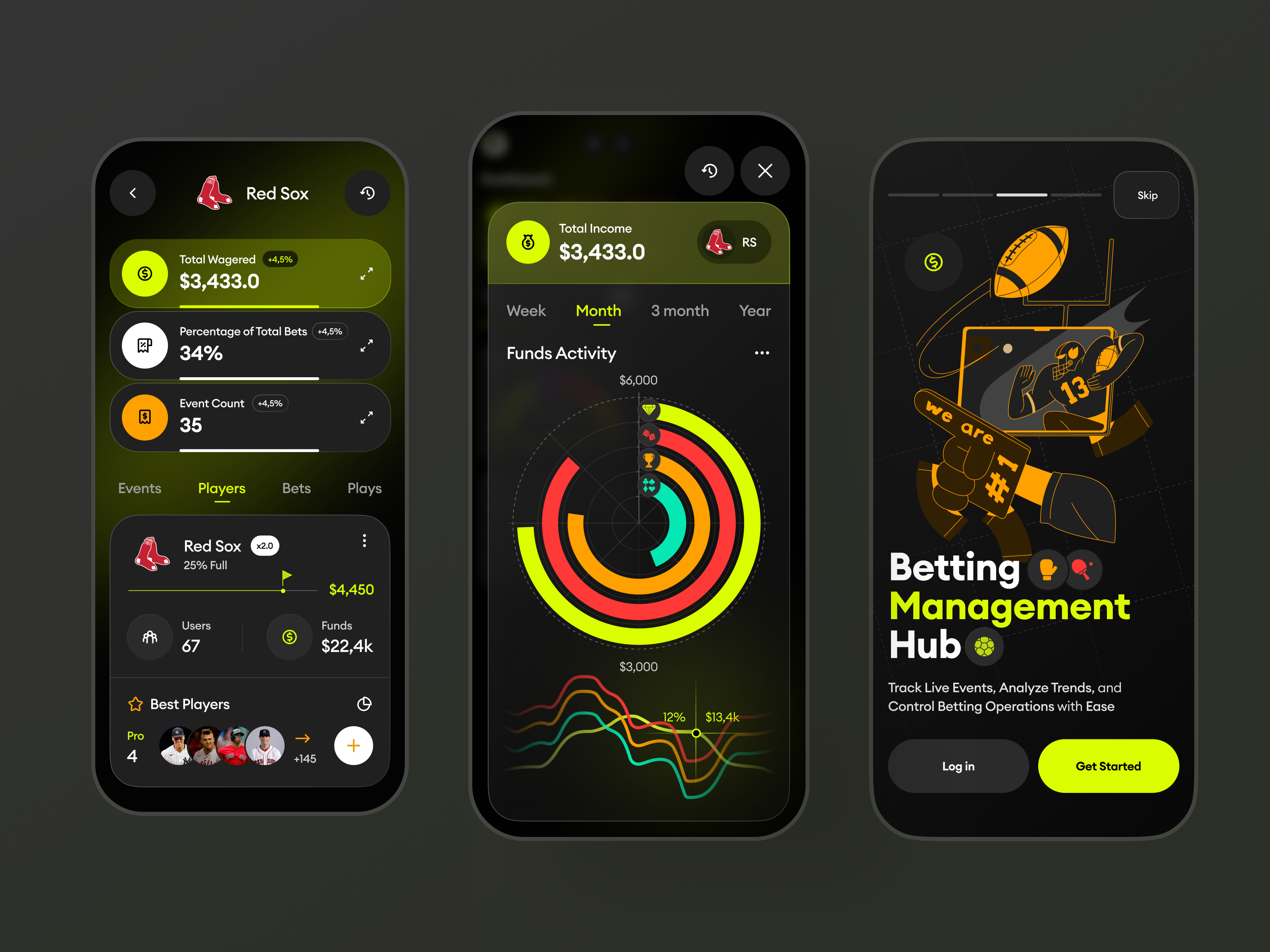
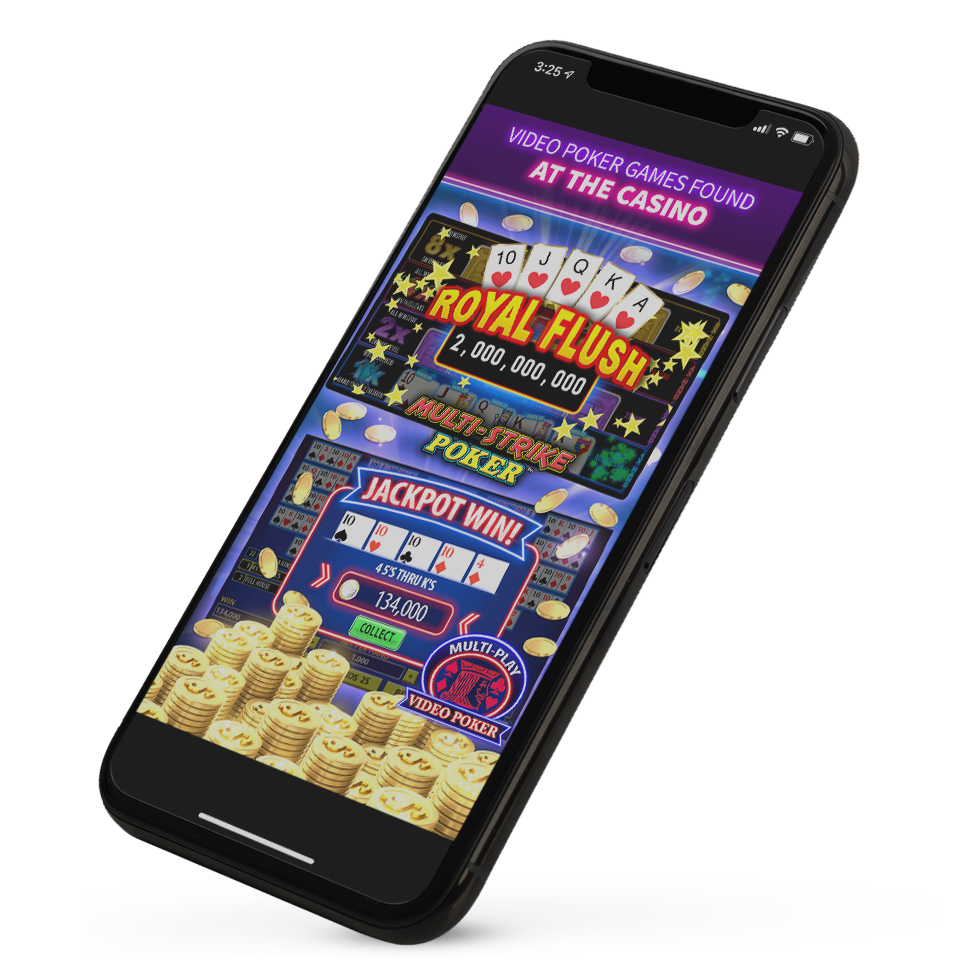
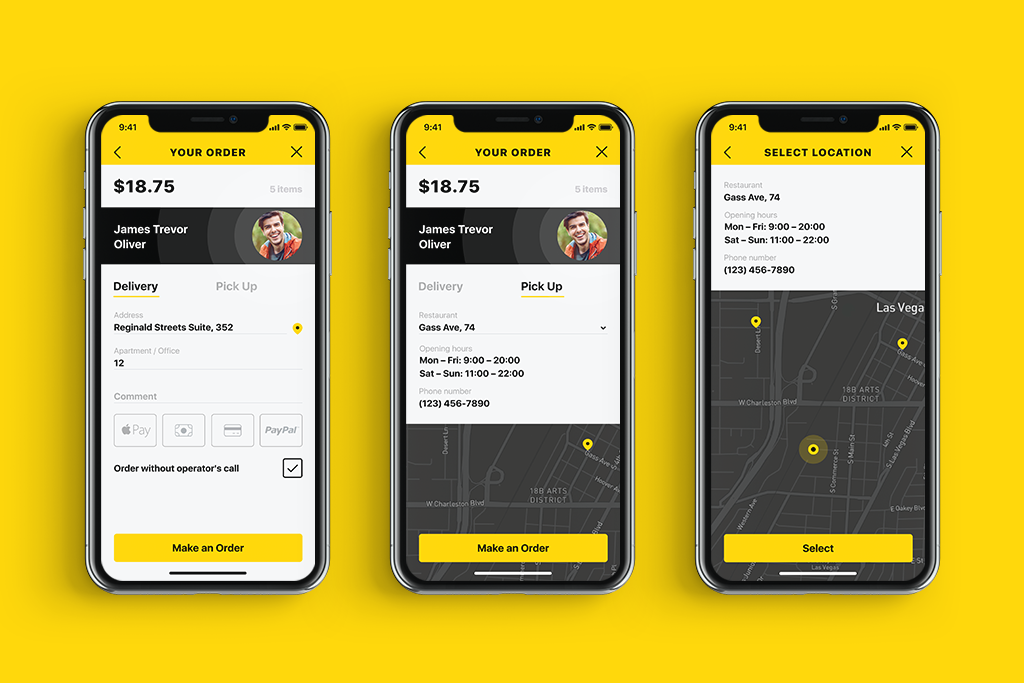
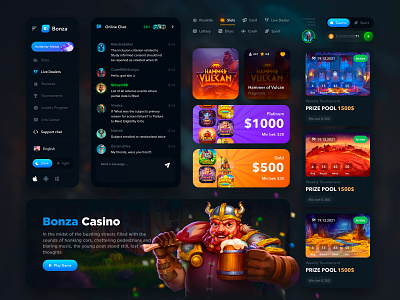
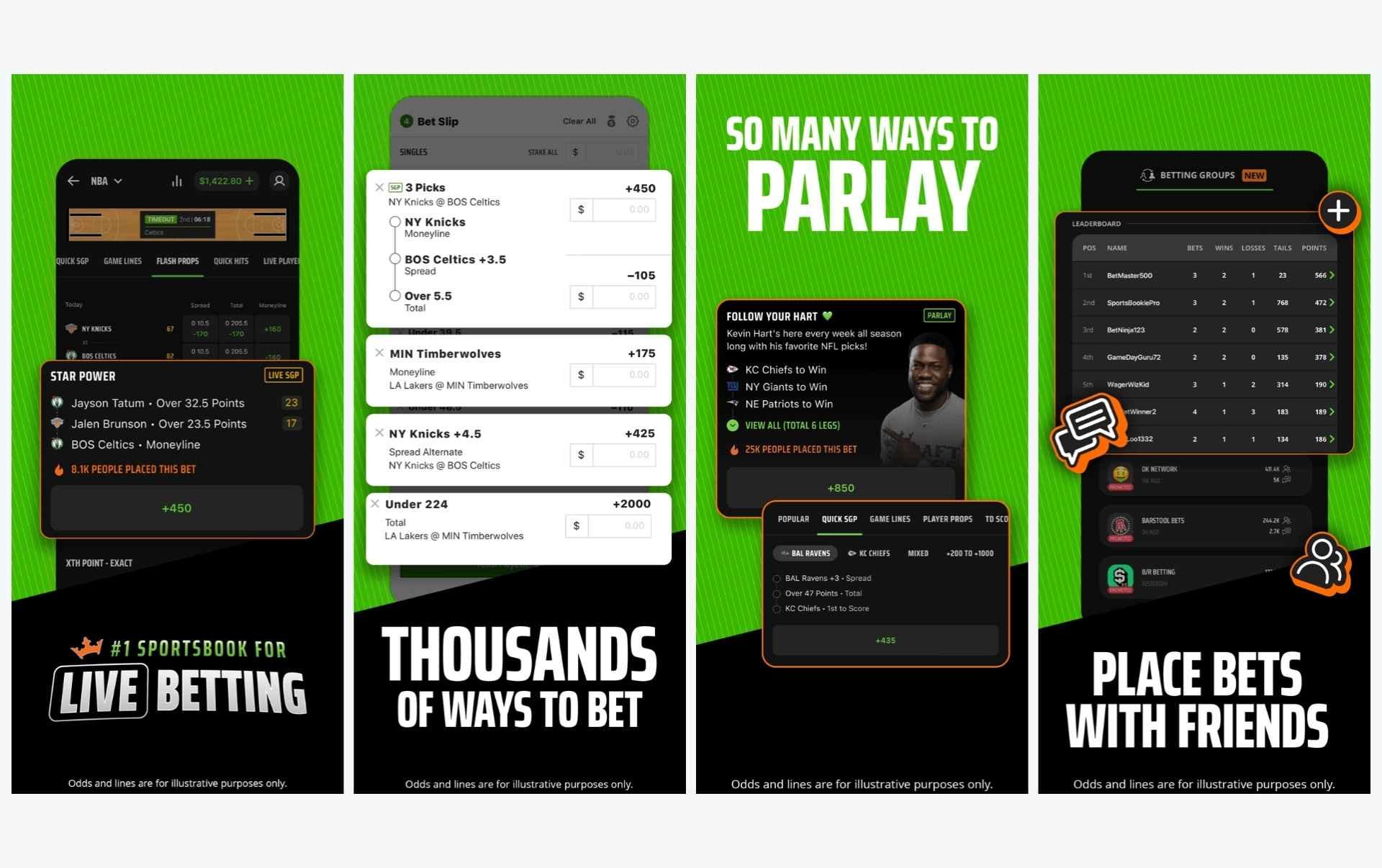
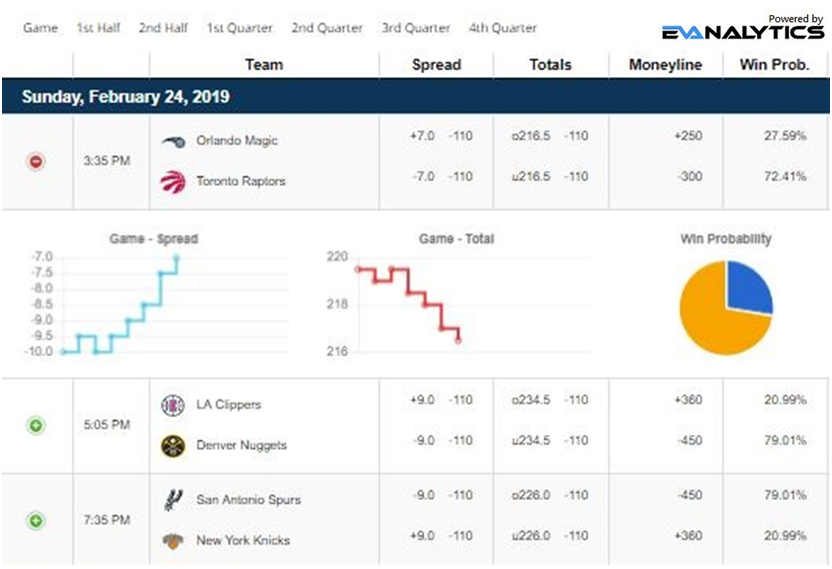
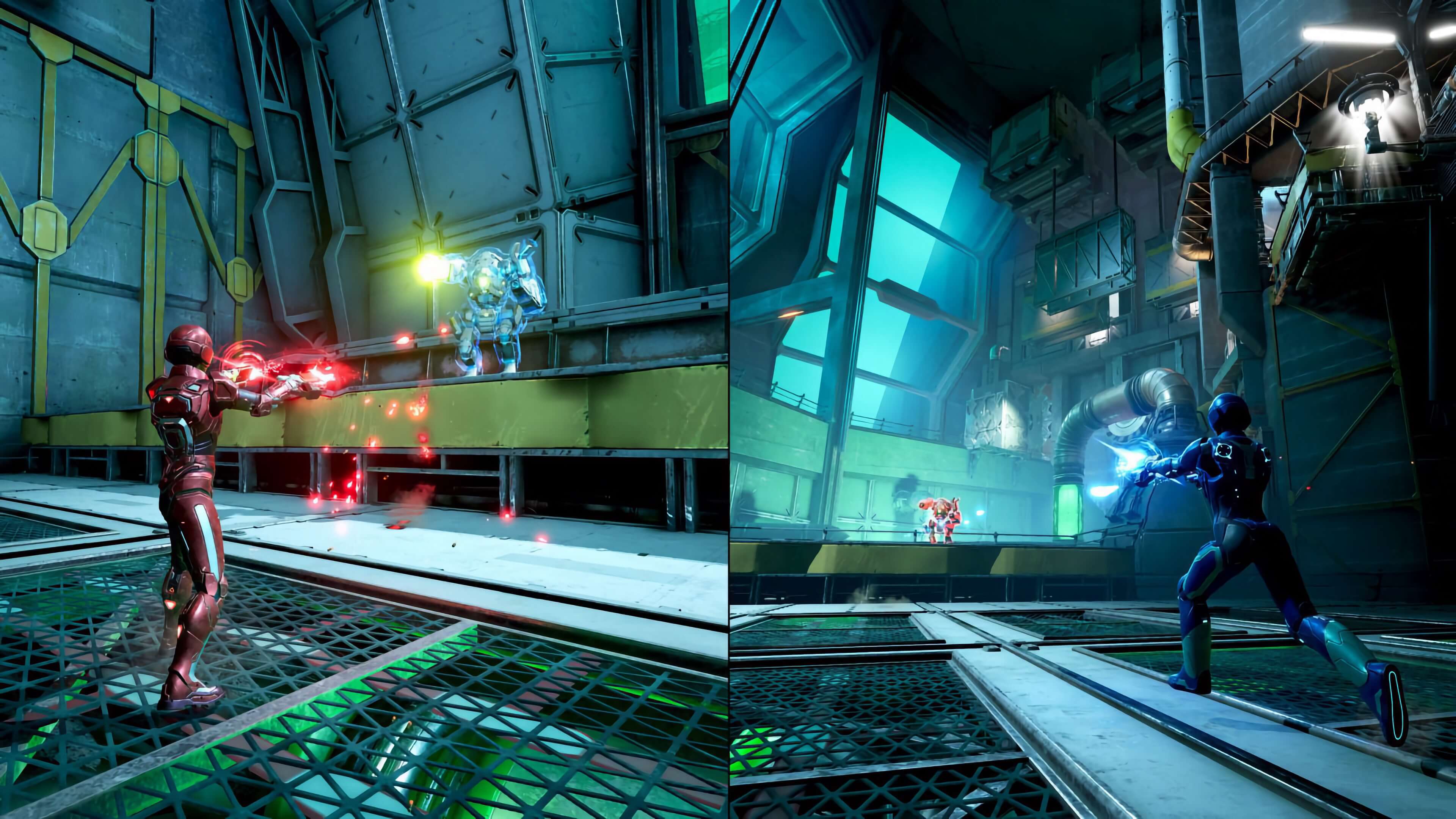
In the modern landscape of digital applications, particularly within gaming and high-interaction platforms, interface design plays a crucial role in shaping user experience. Dense layouts, which present a high volume of information within a limited screen space, are increasingly common as developers attempt to offer users a wide array of features and options. However, these densely packed interfaces can lead to interface saturation, a phenomenon where the sheer quantity of visual and interactive elements overwhelms the user, affecting comprehension, efficiency, and overall satisfaction.
Interface saturation occurs when the cognitive load imposed on the user exceeds their processing capacity. In dense layouts, users are faced with multiple layers of menus, buttons, notifications, and other visual cues that compete for attention. This can result in a fragmented focus, where users struggle to identify the primary actions needed to achieve their goals. As cognitive resources are stretched thin, decision-making slows, and the risk of errors increases. Studies in human-computer interaction have consistently shown that excessive visual clutter can reduce task performance and increase mental fatigue, emphasizing the importance of balancing functionality with clarity.
One of the primary challenges of dense layouts is the lack of effective visual hierarchy. Without clear differentiation between primary, secondary, and tertiary elements, users may struggle to prioritize their interactions. This can lead to a form of “choice paralysis,” where the abundance of options makes it difficult to decide which action to take. In gaming interfaces, for instance, this could manifest as players being unable to quickly locate essential controls, affecting gameplay fluidity and potentially diminishing engagement. Designers must therefore employ techniques such as contrast, spacing, color coding, and typography to guide the user’s attention efficiently.
Another critical factor contributing to interface saturation is the inconsistent use of feedback mechanisms. In dense layouts, users may encounter multiple interactive elements whose responses are not immediately clear. If a button press, menu selection, or gesture does not provide timely and intuitive feedback, users may become uncertain whether their action was successful, prompting repetitive actions that increase frustration. In addition, overlapping or competing notifications can exacerbate this effect, leading to attentional overload and diminished trust in the interface.
Interface saturation also interacts closely with memory demands. In dense environments, users must often remember the location, function, and status of multiple interface elements across different screens or sections. This reliance on working memory is particularly taxing, as the human capacity for short-term retention is limited. When the layout fails to provide adequate visual cues or consistent patterns, users may resort to trial-and-error navigation, which is inefficient and increases the likelihood of errors. Over time, repeated exposure to saturated interfaces can lead to cognitive fatigue, reducing both engagement and long-term retention of platform skills.
A further dimension to consider is the impact of dense layouts on accessibility. Users with visual impairments, attention deficits, or limited prior experience may find saturated interfaces particularly challenging. For instance, small clickable areas, low-contrast text, or tightly packed interactive elements can make navigation difficult or even impossible for some users. Accessibility-conscious design must therefore account for ways to reduce saturation, such as offering scalable interfaces, adjustable spacing, or alternative navigation paths that preserve functionality without overwhelming the user.
Mitigating interface saturation involves a combination of strategic content prioritization and adaptive design techniques. One effective approach is progressive disclosure, where only the most essential information is initially displayed, and additional details are revealed contextually as needed. This technique allows users to focus on core tasks without being distracted by peripheral options, reducing cognitive load while still providing access to advanced features. Similarly, collapsible panels, tabs, and hover-based tooltips can present additional options without permanently consuming screen real estate.
Consistency in interaction design is another crucial factor in managing dense layouts. When similar functions are consistently represented by familiar icons, gestures, or labels, users can rely on recognition rather than recall, minimizing mental effort. In addition, grouping related elements and maintaining predictable spatial organization can help users build mental maps of the interface, further reducing cognitive strain. These strategies contribute not only to efficiency but also to user confidence, as predictable interfaces enable smoother navigation even under dense information conditions.
Personalization and adaptive interfaces also offer promising solutions to interface saturation. By tailoring the interface to individual user behaviors, preferences, or skill levels, platforms can dynamically adjust the amount and arrangement of visible elements. For example, frequent users may be presented with shortcuts and advanced features upfront, while novices see a simplified interface that gradually introduces complexity. This adaptability respects the user’s cognitive capacity while enhancing overall usability and engagement.
Moreover, testing and iterative design play a pivotal role in managing saturation. User research methods such as A/B testing, heat mapping, and task analysis can reveal how users interact with dense layouts and where bottlenecks or confusion occur. By observing actual usage patterns, designers can refine the layout, reduce unnecessary clutter, and ensure that critical functions are easily discoverable. Continuous feedback loops not only improve immediate usability but also inform longer-term design evolution, preventing saturation from becoming a persistent barrier to user satisfaction.
Ultimately, interface saturation in dense layouts underscores the delicate balance between offering comprehensive functionality and preserving user comprehension. While dense interfaces can deliver rich feature sets and empower advanced users, they also risk overwhelming those same users if not carefully managed. By prioritizing visual hierarchy, consistent feedback, accessibility, progressive disclosure, adaptive personalization, and user-centered testing, designers can mitigate saturation and create environments that are both powerful and navigable. In doing so, platforms can sustain engagement, improve efficiency, and enhance the overall user experience, demonstrating that thoughtful design is as much about what is hidden or deferred as it is about what is immediately visible.
The consequences of failing to address interface saturation extend beyond individual tasks. Users who encounter overwhelming layouts may experience reduced satisfaction, increased errors, and ultimately, attrition from the platform. Conversely, well-managed dense layouts can enable users to accomplish complex tasks efficiently, fostering mastery and long-term loyalty. In high-stakes environments such as online gaming, finance, or professional software, where users must process and act on large volumes of information, managing saturation is not merely a matter of aesthetics but a core component of functional and ethical design.
By integrating principles of cognitive psychology, accessibility, and adaptive design, interface designers can transform dense layouts from potential obstacles into intuitive, manageable, and engaging environments. The key lies in understanding human limitations and designing interfaces that respect them, offering clarity amidst complexity and empowerment without overwhelm.