
Habit persistence in digital gambling is a phenomenon deeply rooted in human psychology and the way online platforms are designed. Unlike traditional gambling in physical casinos, digital gambling environments provide continuous access, immediate feedback, and highly customizable experiences, all of which reinforce habitual behavior. One of the key mechanisms driving habit persistence is the reinforcement schedule embedded within digital games. Online slot machines, poker apps, and sports betting platforms often use variable-ratio schedules, meaning that rewards are given after an unpredictable number of actions. This unpredictability creates a strong compulsion to continue playing, as users are motivated by the anticipation of a potential reward. The brain responds to these cues with dopamine releases, reinforcing the behavior and making it more likely to persist over time. This reinforcement is compounded by the convenience and accessibility of digital platforms, where gambling opportunities are available 24/7 without the physical or social constraints of a casino setting. Notifications, promotional offers, and personalized reminders all serve as triggers to return to the platform, creating a feedback loop that strengthens habitual engagement.
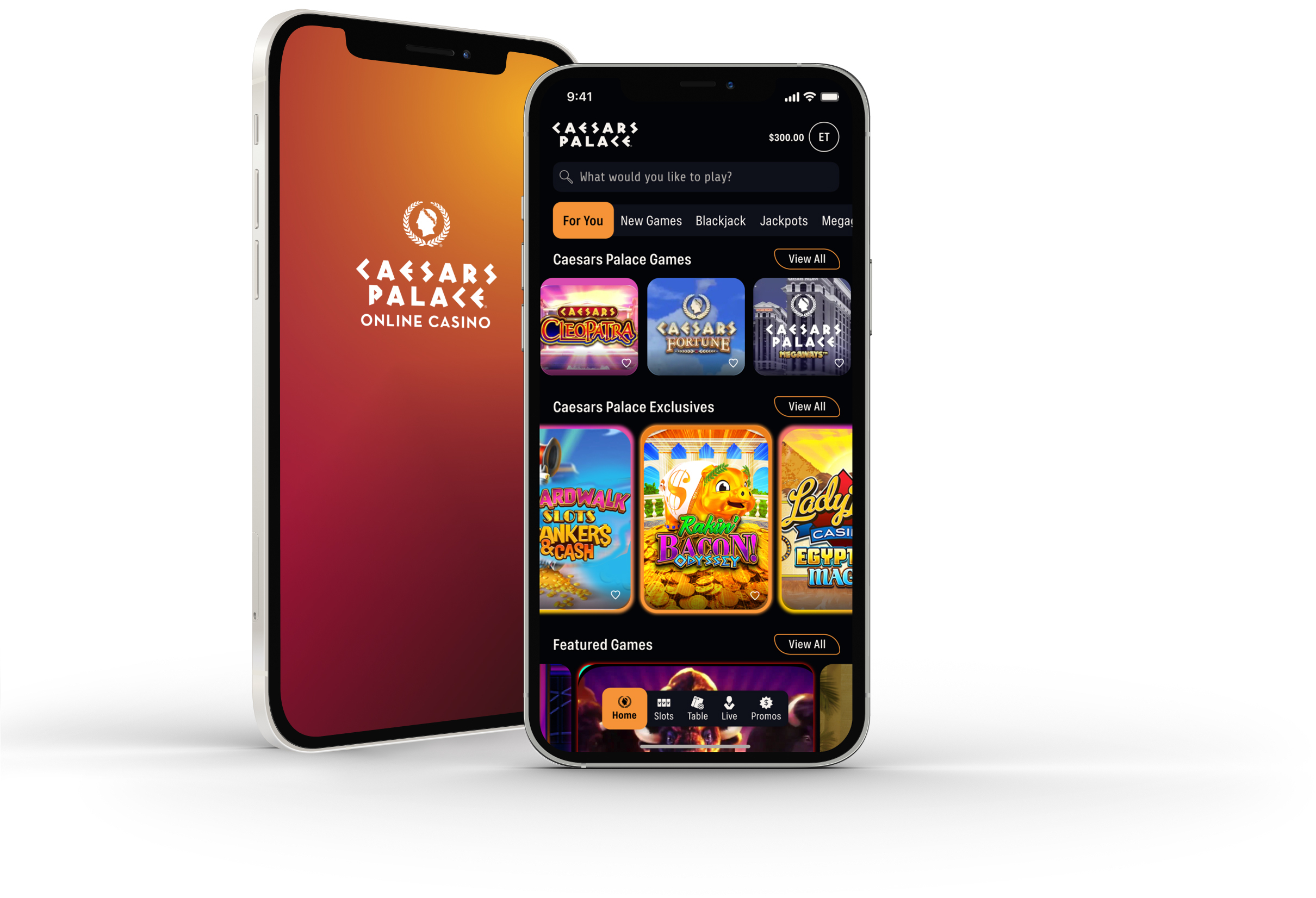
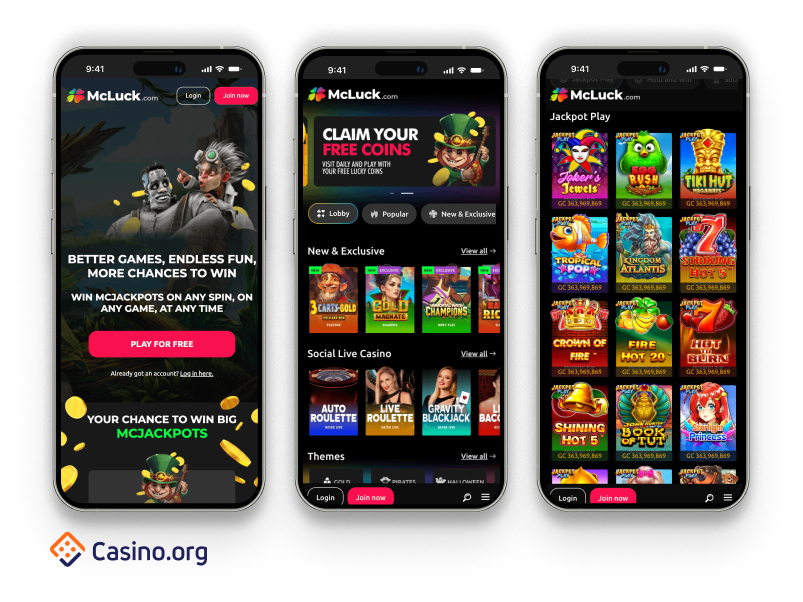
Another factor in habit persistence is the use of micro-interactions and immersive design elements that create an engaging user experience. Digital gambling interfaces are often optimized to minimize friction and maximize engagement, using visually appealing graphics, sounds, and animations to capture attention. These design choices not only enhance enjoyment but also serve as subtle cues that encourage repeated interactions. Over time, users may develop routines around their gambling sessions, such as checking a favorite app at specific times of day or engaging in particular sequences of bets. These routines become automatic, making it more difficult for users to disengage even if they consciously recognize the risks or negative consequences of their behavior. The digital environment’s ability to personalize experiences further strengthens these routines, as algorithms track user behavior and tailor rewards, offers, and content to individual preferences. This personalization fosters a sense of familiarity and comfort, increasing the likelihood of repeated engagement and contributing to long-term habit formation.
Social elements within digital gambling also play a significant role in maintaining persistent habits. Many platforms incorporate features that allow users to connect with friends, join competitions, or share achievements, creating a social dimension that reinforces engagement. Social comparisons, peer pressure, and the desire for recognition can motivate users to continue participating, even in the absence of tangible financial rewards. Online communities, chat functions, and leaderboards provide ongoing social reinforcement, encouraging users to maintain their routines and remain active within the platform. Additionally, the perceived social norm of frequent engagement can make abstaining from digital gambling feel unusual or isolating, further solidifying habitual behavior.
The cognitive processes involved in habit persistence include both conscious and subconscious mechanisms. On a conscious level, users may plan sessions based on anticipated rewards, budgeting their time and resources around the gambling experience. Subconsciously, repeated exposure to cues and rewards strengthens associative learning, linking certain environments, stimuli, or emotions with the act of gambling. For example, seeing a familiar app icon on a smartphone or hearing a notification sound may automatically trigger cravings or urges, even without deliberate intent. Over time, these associations create a deeply ingrained behavioral pattern that can be resistant to change. Cognitive biases such as the illusion of control, optimism bias, and loss aversion further exacerbate habit persistence by distorting perceptions of risk and reward, making it more difficult for users to accurately assess the consequences of continued engagement.
Behavioral economics provides additional insight into why digital gambling habits persist. The concept of temporal discounting explains how individuals tend to prefer smaller, immediate rewards over larger, delayed ones. Digital platforms exploit this tendency by offering rapid outcomes, small wins, and incremental progress toward larger rewards. These features create an environment in which immediate gratification is continually available, reinforcing repeated behavior. Gamification elements such as streaks, badges, and progress meters amplify this effect, providing ongoing reinforcement that encourages users to maintain their habits. Over time, these small, frequent rewards accumulate into a powerful motivational system that sustains engagement even in the face of losses or negative experiences.
Technological factors also contribute to habit persistence. Mobile devices, high-speed internet, and app notifications provide constant access to gambling opportunities, reducing barriers to engagement. Adaptive algorithms track user behavior, predict preferences, and optimize reward delivery, creating a personalized and compelling experience that is difficult to resist. Features such as auto-play, one-click betting, and integrated wallets simplify the process of gambling, lowering cognitive load and increasing the likelihood of habitual interaction. The combination of accessibility, personalization, and ease of use creates an environment in which habit formation is not only likely but accelerated, reinforcing long-term patterns of behavior.
Interventions aimed at reducing habit persistence in digital gambling often focus on disrupting these reinforcement mechanisms and promoting self-regulation. Tools such as deposit limits, time-out features, and behavioral tracking provide users with opportunities to reflect on their engagement and make deliberate choices. Awareness campaigns, educational content, and prompts for self-assessment help individuals recognize patterns of habitual behavior and understand their potential risks. Behavioral strategies, including substitution of alternative activities, scheduled breaks, and environmental restructuring, can reduce exposure to triggers and weaken automatic associations with gambling. However, the effectiveness of these interventions depends on both user motivation and the platform’s willingness to implement responsible design practices.
Ultimately, habit persistence in digital gambling is a complex interplay of psychological, social, cognitive, and technological factors. Digital platforms are designed to maximize engagement, leveraging reward schedules, immersive experiences, social reinforcement, and personalization to create enduring patterns of behavior. Understanding the mechanisms behind habit formation is critical for developing effective interventions and promoting responsible engagement. By examining how cues, rewards, routines, and cognitive biases interact within digital environments, researchers and regulators can identify strategies to mitigate the risks associated with persistent gambling behavior. In doing so, it becomes possible to balance user engagement with protective measures that preserve well-being, helping individuals maintain control over their gambling habits while still enjoying the entertainment value that digital platforms offer.





Leave a Reply